
Cycling from London to Paris is an exciting challenge that combines adventure, endurance, and the thrill of international travel. Whether you’re a seasoned cyclist or taking on your first multi-day ride, it’s natural to have plenty of questions before setting off. Below, we’ve answered some of the most common queries to help you prepare with confidence.
How long does it take to cycle from London to Paris?
Most riders complete the journey in 3–5 days, depending on pace, fitness, and route. Some experienced cyclists may do it faster, while others prefer a more leisurely pace with time to enjoy the scenery.
What is the total distance of the route?
The distance typically ranges from 180 to 300 miles (300–480 km), depending on the route you choose and any detours along the way.
What is the best route to take?
Popular routes often head from London to the south coast (like Calais or Newhaven), cross to Calais or Dieppe, then continue through the French countryside to Paris. Variations exist depending on preferences for scenery, traffic, and difficulty.
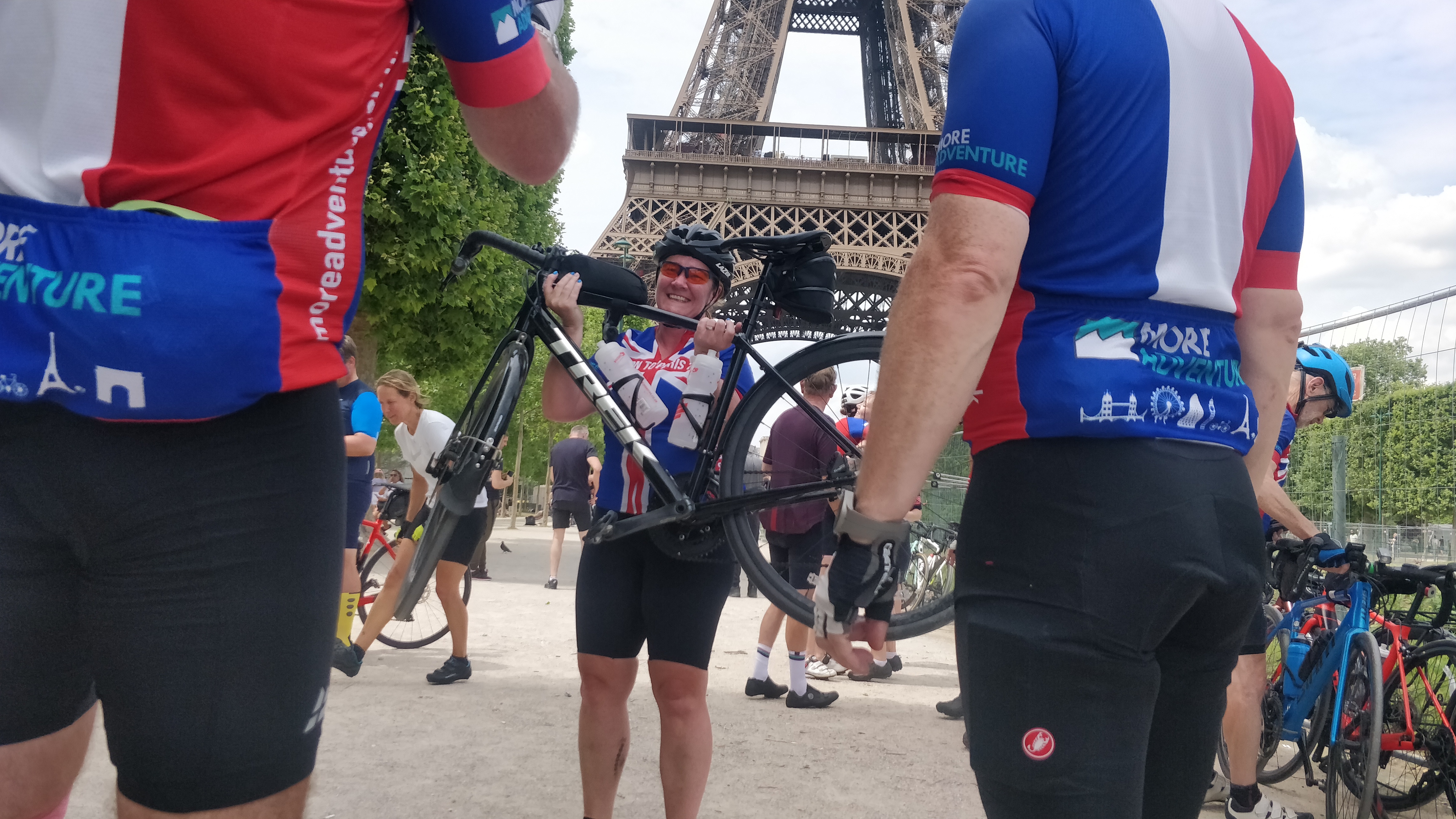
Is it suitable for beginners?
Yes—with the right preparation. Many beginners successfully complete the ride each year, especially when following a structured training plan or joining a guided group.
How many days should I plan for the ride?
Three to four days is common, but planning an extra day can make the experience more enjoyable and less rushed.
What is the elevation like along the route?
While not mountainous, the route includes rolling hills—particularly in the South Downs and northern France—so expect a mix of climbs and descents.
When is the best time of year to do the ride?
Late spring to early autumn (May–September) offers the best weather conditions, with longer daylight hours and generally milder temperatures.
Do I need to train beforehand, and how much?
Yes. A few months of consistent cycling, including longer weekend rides, will help build endurance and confidence for consecutive days in the saddle.
What type of bike is best for the journey?
A road bike is the most popular choice, but hybrid and gravel bikes can also work well depending on comfort and route conditions.
Can I do the ride on a road bike, gravel bike, or hybrid?
Absolutely. The key is ensuring your bike is well-maintained and suited to long-distance comfort.
How do I cross the English Channel with my bike?
Most cyclists take a ferry (e.g., Dover to Calais or Newhaven to Dieppe), which accommodates bikes easily. They will need to be booked onto the ferry however.
Is it better to take the ferry or the Eurotunnel?
The ferry is generally more straightforward and cyclist-friendly, while the Eurotunnel requires additional logistics or support vehicles.
Do I need to book transport for my bike in advance?
Yes, especially during peak cycling season. Bike spaces can be limited on ferries and trains.
Are there guided tours available?
Yes, many companies offer fully supported London to Paris rides, including route planning, accommodation, and luggage transfers.
Should I go solo or with a group?
Both have their benefits. Solo offers flexibility, while group rides provide camaraderie, support, and added safety.
Is navigation easy or do I need a GPS device?
Navigation is manageable with proper planning, but a GPS device or cycling app is highly recommended.
Are there signposted routes?
Some sections are signposted, particularly in France, but not consistently enough to rely on entirely.
What apps or maps are best for navigation?
Apps like Komoot, Strava, or Ride with GPS are commonly used and reliable for route planning and navigation.
Is it safe to cycle on the roads in both countries?
Generally yes, though you’ll encounter a mix of quiet country roads and busier sections. France is often considered more cycle-friendly.
What are the cycling laws in France vs the UK?
Rules are broadly similar, but France requires items like reflective gear in low visibility and encourages helmet use. You will of course also be riding on the right hand side of the road.
Do I need travel insurance for the trip?
Yes, comprehensive travel insurance that covers cycling is strongly recommended.
What should I pack for the ride?
Essentials include cycling kit, weather layers, tools, snacks, water bottles, and personal items.
How much luggage can I realistically carry?
If riding unsupported, aim for minimal gear (around 5–10kg). Supported rides allow you to carry less on the bike.
Are there luggage transfer services available?
Yes, many organised tours provide daily luggage transfers between accommodations.
Where can I stay overnight along the route?
Options include hotels, B&Bs, and guesthouses in towns along the route.
Do I need to book accommodation in advance?
It’s advisable, especially during peak season, to ensure availability and avoid stress.
Are there campsites along the way?
Yes, there are campsites, particularly in France, though this requires carrying additional gear.
What kind of food is available en route?
You’ll find cafés, bakeries, and restaurants along the route—especially in French towns and villages.
How do I stay hydrated during the ride?
Carry at least two water bottles and refill regularly at stops.
Are there plenty of places to stop and rest?
Yes, especially in France where small towns are frequent and cyclist-friendly.
What should I do in case of a mechanical issue?
Carry basic tools and know how to fix common issues like punctures. For major problems, seek a local bike shop.
Are bike repair shops easy to find along the route?
In towns and cities, yes—but they may be sparse in rural areas, so plan accordingly.
Should I carry spare parts and tools?
Definitely—spare tubes, a pump, tyre levers, and a multi-tool are essential.
What happens if I get injured during the ride?
Have insurance, carry a phone, and know emergency numbers. Riding with others or in a group adds an extra layer of safety.
Is there mobile signal throughout the route?
Coverage is generally good, though some rural areas may have limited signal.
How much does the trip typically cost?
Costs vary widely depending on accommodation, transport, and whether the ride is supported. It is cheaper to ride independently but you’ll then have to organise all of the logistics and route finding yourself.
Can I do it on a tight budget?
Yes, with careful planning—camping, self-navigation, and budget accommodation can reduce costs.
What currency considerations should I keep in mind?
You’ll need euros in France. Cards are widely accepted, but carrying some cash is helpful.
Do I need to speak French?
Basic phrases help, but many people speak some English, especially in tourist areas.
Are locals cyclist-friendly?
Yes, particularly in France where cycling is very popular.
What are the highlights or must-see stops along the way?
The South Downs, the Dieppe coastline, and picturesque French villages are all memorable highlights.
Can I take detours to visit landmarks?
Absolutely—just factor in extra time and distance.
How do I handle cycling in Paris traffic at the end?
Paris has improved cycling infrastructure, but staying alert and confident is key when entering the city.
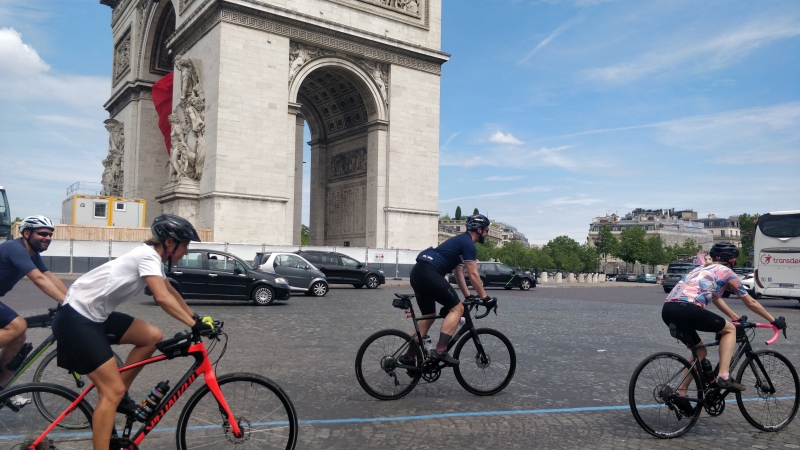
Is the finish point clearly marked?
Most routes finish at iconic landmarks like the Eiffel Tower, making for a rewarding end.
What should I do once I arrive in Paris?
Celebrate your achievement, explore the city, and enjoy some well-earned food and rest.
How do I get back to London with my bike?
Options include trains, ferries, or organised transport provided by tour companies.
Can I take my bike on the train back?
Yes sometimes, but booking is essential as bike spaces are limited.
What are common mistakes first-timers make?
Underestimating training, overpacking, and poor pacing are common pitfalls.
How physically demanding is the ride overall?
It’s a moderate to challenging ride, but achievable with preparation and determination.
Is it worth it compared to other cycling trips?
Absolutely—the sense of achievement and the unique experience of crossing countries by bike make it unforgettable.
Cycling from London to Paris is more than just a ride—it’s an adventure that stays with you long after you’ve finished. If you’d like expert support, a well-planned route, and a fantastic group atmosphere, we highly recommend joining one of our guided rides. Find out more and start planning your journey here: http://www.moreadventure.co.uk/london-to-paris-cycle/
 © 2026
  Overseas cycling
 UK cycling
 Hiking & trekking
 Route packages